Category: Pools

  • Smart Tech for Pool Maintenance and Safety

    Smart Tech for Pool Maintenance and Safety

    Smart Tech for Swimming Pools & Spas

    Modern technology is changing pool ownership. New tools, from robotic cleaners to smart safety sensors, make it much easier and safer than ever before. What if you could manage your pool’s clarity, chemical balance, and security features right from your phone? For many homeowners, the dream of a backyard oasis is often weighed down by the reality of constant upkeep—skimming leaves, testing water, and worrying about safety. Thankfully, the days of hard work are fading. The latest innovations for swimming pools & spas are designed to automate tedious tasks, provide crystal-clear water with minimal effort, and create multiple layers of protection for your family. This guide explores the cutting-edge tech that can transform your pool experience from a weekend chore into a true source of relaxation and enjoyment, whether you’re in Fairfield County or anywhere along the beautiful Connecticut shoreline.

    Rooftop swimming pool at the Proper Hotel in Santa Monica, CaliforniaIf you find my photos useful, please consider subscrib

    Automated Cleaning: The Rise of Robotic Pool Cleaners

    Gone are the days of manually vacuuming your pool or dealing with clunky suction-side cleaners that rely on your pool’s pump. Today’s robotic pool cleaners are self-contained, intelligent machines that have completely changed the game. These devices operate on their own, separate from your pool’s circulation system. This not only provides a deeper clean but also reduces wear and tear on your pump and filter. Using advanced microprocessors and sensors, modern robotic cleaners map your pool’s layout to ensure they cover every square inch, from the floor and cove to the walls and even the waterline.

    The benefits are easy to see. Because they have their own internal filter, they trap fine debris and algae that might otherwise clog your main filter. This improves overall water circulation and clarity. This efficiency also leads to energy savings, as you don’t need to run your main pool pump on high just to clean. Many high-end models now have Wi-Fi, allowing you to start a cleaning cycle or set a weekly schedule from a smartphone app. For a homeowner in Shelton, CT, this means you can schedule the robot to handle the heavy spring pollen buildup right after a professional pool opening service, ensuring your pool is swim-ready without any extra work.

    Perfectly Balanced: Smart Chemical Management Systems

    Keeping your pool water balanced is one of the toughest parts of pool ownership. The cycle of testing water, reading results, and adding chemicals by hand takes time and is easy to get wrong. Too much chlorine can lead to skin and eye irritation, while too little allows harmful bacteria and algae to grow. Smart chemical management systems, also known as automated chemical dispensers, remove the guesswork.

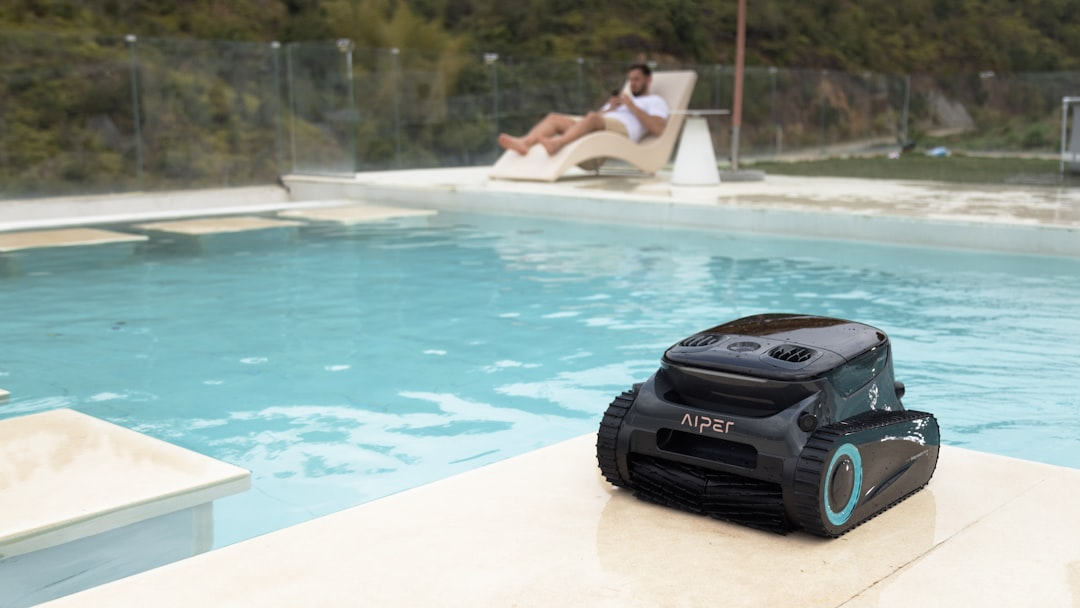
    Aiper robot awaits its next job while the user relaxes beside a modern pool—effortless pool care.
    Photo by Aiper Pool Cleaner on Unsplash

    These systems use advanced sensors to constantly monitor your pool’s water in real-time, checking for sanitizer (ORP) and pH levels. When the sensors detect that levels are outside the ideal range, the system automatically adds a precise amount of the needed chemical. This creates a stable, healthy, and comfortable swimming environment 24/7. The advantages include:

    • Consistent Water Quality: Your pool water stays perfectly balanced, preventing the ups and downs of manual chemical additions.
    • Reduced Chemical Usage: By dosing only what’s needed, these systems prevent over-use of chemicals, saving you money.
    • Enhanced Swimmer Comfort: Stable pH and sanitizer levels mean less red-eye, itchy skin, and faded swimwear.
    • Time Savings: You can spend less time testing and more time enjoying your pool.

    These automated systems provide a level of precision that is difficult to achieve by hand. They follow professional standards, such as those outlined by the Pool & Hot Tub Alliance (PHTA) on water quality, to keep your water safe and clean.

    Ultimate Peace of Mind: Advanced Pool Safety Features

    A swimming pool is a source of great fun, but safety must always be the top priority. Traditional safety measures like fences and gates are vital, but technology offers extra layers of protection for peace of mind. The modern world of swimming pools & spas has introduced smart solutions that can alert you to potential dangers instantly.

    Automatic Pool Covers

    An automatic pool cover is perhaps the most effective safety device. It provides a strong physical barrier that completely seals off the pool when not in use. With the turn of a key or the press of a button, a durable cover glides over the water. It’s strong enough to support the weight of a person. Beyond safety, these covers also help with maintenance by keeping debris out, reducing water evaporation by up to 95%, and holding in heat to lower your energy bills.

    A man lifts the Aiper pool cleaner out of the water while a golden retriever watches poolside.
    Photo by Aiper Pool Cleaner on Unsplash

    Underwater Motion Sensors and Alarms

    Unlike traditional alarms that only detect splashes on the surface, underwater motion sensors use sonar or infrared technology to detect significant movement below the surface. This allows them to tell the difference between a leaf falling into the pool and a child or pet accidentally entering the water. When a potential danger is detected, these systems trigger a loud alarm at the pool and inside the house. Many can also send an alert directly to your smartphone.

    Smart Camera Monitoring

    The latest in pool safety uses AI-powered security cameras. These smart systems can be programmed to know the difference between a person and other objects. If a person, especially a child, is detected in the pool area alone, the system can send an immediate notification to your phone. This active monitoring is a powerful tool. It works well with other safety measures recommended by organizations like the U.S. Consumer Product Safety Commission’s Pool Safely campaign. For residents seeking professional pool cleaning in Trumbull, CT, discussing these safety features with a service provider is a smart move.

    Total Control: Integrated Systems for Swimming Pools & Spas

    To truly modernize your pool, you can connect all these smart devices to one central system. Integrated smart pool systems, or automation controllers, act as the brain of your entire pool and spa operation. Systems from leading brands like Pentair, Hayward, and Jandy let you control almost every piece of equipment from a single app on your smartphone, tablet, or home computer.

    Smart home devices. Connection diagram
    Photo by Jakub Żerdzicki on Unsplash

    From this central command center, you can:

    • Turn the pump and filter on or off
    • Adjust the heater or heat pump temperature
    • Control underwater and landscape lighting, and even create custom light shows
    • Activate water features like waterfalls or deck jets
    • Manage your robotic cleaner and chemical automation system

    This level of control offers incredible convenience. A homeowner in Milford, for example, could turn on the spa heater from their desk at work, ensuring it’s hot and ready when they get home. Furthermore, these systems are excellent for energy management. You can schedule your pump to run during off-peak hours, a key part of any effective pool maintenance plan, to save money on your electricity bill.

    Is Smart Pool Technology Right for You?

    Investing in smart technology for swimming pools & spas is a decision that pays off in convenience, safety, and long-term savings. While there is an upfront cost, the time saved on manual labor and the money saved on chemicals and energy can be significant. More importantly, the added safety features provide priceless peace of mind for you and your family. Whether you are installing a new pool or upgrading an existing one, integrating smart technology is one of the best ways to maximize your enjoyment and protect your investment for years to come.

  • Mastering Pool Care: A Professional’s Guide

    Mastering Pool Care: A Professional’s Guide

    Swimming Pool and Hot tub News: Mastering Pool Care

    Owning a backyard pool is the ultimate dream—a private oasis for sun-drenched afternoons, family fun, and serene relaxation. But keeping that water sparkling, safe, and inviting can feel overwhelming. What if you could manage your pool with the confidence of a seasoned professional? Staying informed with the latest Swimming Pool and Hot tub News and professional tips is the first, most crucial step toward achieving a pristine swimming environment. Forget the guesswork, confusing advice, and endless trips to the pool supply store; this comprehensive guide is your new go-to resource.

    We’re here to demystify every aspect of pool maintenance for homeowners. This guide breaks down everything from water chemistry to equipment care and seasonal routines. Our goal is to give you the knowledge to turn pool care from a chore into a simple, satisfying process. Get ready to enjoy crystal-clear water and complete peace of mind all season long.

    The Science of Crystal Clear Water: A Homeowner’s Guide to Pool Chemistry

    The secret to a beautiful and safe swimming pool isn’t a magic potion; it’s the science of water chemistry. Think of your pool water as a delicate ecosystem that needs a precise balance to thrive. When chemicals are balanced, they effectively sanitize the water, protect swimmers from skin and eye irritation, and prevent costly damage to your pool’s surfaces and equipment. The latest Swimming Pool and Hot tub News consistently says that understanding this balance is the key to successful pool ownership.

    Woman relaxing in a crystal clear swimming pool on a sunny day.
    Photo by Conner Baker on Unsplash

    Understanding pool chemistry goes beyond just tossing in a chlorine tablet. It involves managing the entire chemical profile for your pool’s longevity and your family’s comfort. For homeowners, learning these fundamentals is the most empowering step in your pool care journey. You’ll be able to diagnose and solve common issues like cloudy water or algae growth before they become major problems, saving you time, money, and frustration.

    Understanding the Core Four: pH, Chlorine, Alkalinity, and Calcium Hardness

    These four components are the foundational pillars of balanced pool water. Mastering them makes every other aspect of pool care significantly easier and more effective.

    poolside.
    Photo by Juan Patlan on Unsplash
    • pH Level: This measures how acidic or basic your water is on a scale of 0 to 14. The ideal range for a swimming pool is slightly alkaline, between 7.4 and 7.6. This narrow window is critical. It’s the most comfortable level for swimmers’ eyes and skin and also maximizes your chlorine’s sanitizing power. If the pH is too high (basic), chlorine becomes sluggish and less effective. If it drops too low (acidic), the water can corrode metal components like ladders, handrails, and internal heater parts.
    • Free Chlorine: This is the active sanitizer in your pool, the workhorse chemical that destroys harmful bacteria, viruses, and algae. The recommended level is between 1.0 and 3.0 parts per million (ppm). It’s vital to test for free chlorine, not just total chlorine. Free chlorine is the amount available to sanitize. Total chlorine includes used-up chlorine (chloramines), which are ineffective and can cause irritation and that distinct “chlorine smell.” Many modern pool owners are exploring efficient salt chlorination systems. These use dissolved salt to generate a steady supply of pure chlorine, creating a smoother, silkier swimming experience with fewer chemical highs and lows.
    • Total Alkalinity (TA): Often confused with pH, Total Alkalinity acts as a buffer that helps your water resist drastic pH changes. Think of it as an anchor for your pH. When TA is in the proper range (80 to 120 ppm), your pH will be stable and predictable. If TA is too low, the pH can swing wildly with the addition of chemicals or even rainwater, a condition known as “pH bounce.” If TA is too high, your pH becomes very difficult to adjust.
    • Calcium Hardness (CH): This measures the amount of dissolved calcium in your water, with an ideal range of 200 to 400 ppm. Water with low calcium (soft water) is aggressive and will try to get calcium from wherever it can—including your pool’s surfaces. It will leach calcium from plaster, grout, or concrete, causing etching and permanent damage over time. Conversely, water with excessive calcium (hard water) can become saturated, leading to cloudy water and the formation of scaly deposits on pool surfaces, plumbing, and equipment.

    The Unsung Hero: Cyanuric Acid (CYA)

    For any outdoor pool using chlorine, Cyanuric Acid (CYA), often called stabilizer or conditioner, is your chlorine’s best ally. It acts like sunscreen for your chlorine. It forms a weak, temporary bond with free chlorine molecules, protecting them from being rapidly destroyed by the sun’s ultraviolet rays. Without enough CYA, you could lose up to 90% of your free chlorine in just a few hours on a sunny day. The ideal range is 30 to 50 ppm. However, too much can be a problem. If CYA levels get too high (over 100 ppm), it can bind too tightly with the chlorine, dramatically reducing its sanitizing effectiveness in a condition often called “chlorine lock.”

    Your Pool Water Testing Toolkit

    Consistent, accurate water testing is the non-negotiable foundation of proper pool care. While basic test strips are convenient for a quick daily check, they often lack the precision needed for accurate chemical adjustments. For more reliable and detailed results, invest in a quality liquid reagent test kit or a digital water tester. These tools provide precise readings for all key chemical levels, allowing for more effective and economical chemical additions. As a best practice, test your water at least twice a week during the peak swimming season. You should also test after heavy rain, a large bather load (like a pool party), or any time you add fresh water, as these events can significantly impact your water balance.

    Proactive Equipment Care: The Latest in Swimming Pool and Hot tub News

    Your pool’s equipment—the pump, filter, and heater—is the heart and lungs of its circulation and filtration system. It works tirelessly behind the scenes to keep your water moving, clean, and clear. A reactive approach, where you wait for something to break, often leads to expensive emergency repairs and frustrating downtime. The latest Swimming Pool and Hot tub News for savvy homeowners points to a proactive strategy of regular, preventative care. By performing simple checks and routine tasks, you can extend your equipment’s life, boost its energy efficiency, and prevent most costly problems before they start.

    A clean pool with clear blue water, a result of following the latest Swimming Pool and Hot tub News and tips.
    Photo by Enis Yavuz on Unsplash

    The Heart of Your Pool: The Pump

    The pool pump is the engine that drives your entire circulation system. It pulls water from the pool through the skimmers and main drain, pushes it through the filter and heater (if you have one), and then returns it clean and treated. A healthy pump is essential for effective filtration and chemical distribution.

    • Clean the Baskets: Your pump has a strainer basket to catch larger debris like leaves and hair before it reaches the impeller. Check and empty this basket at least once a week, or more often if you have a lot of trees. A clogged basket restricts water flow, forcing the pump to work harder, which can lead to overheating and premature failure. Don’t forget to also clean the skimmer baskets at the poolside daily.
    • Listen and Look: Pay attention to your pump’s sound. A healthy pump has a consistent, low hum. Loud noises like grinding, whining, or screeching can indicate worn-out motor bearings that need replacement. Also, regularly check for small leaks or drips around the pump housing, especially at the shaft seal.
    • Lubricate O-Rings: The O-ring on your pump lid creates an airtight seal, allowing it to prime properly. To prevent this rubber ring from drying out, cracking, and causing an air leak, lubricate it with a pool-specific, silicone-based lubricant once or twice a year.

    The Kidneys of Your Pool: The Filter

    The filter is responsible for removing tiny particles of dirt, debris, and other contaminants from the water. Keeping it clean is vital for water clarity. There are three main types of pool filters:

    man snorkeling under water
    Photo by Stanley Dai on Unsplash
    • Sand Filters: These filters use a special grade of sand to trap debris. As the filter collects dirt, the pressure inside the tank rises. When the pressure gauge reads 8-10 PSI above the clean starting pressure, it’s time to “backwash” the filter, which reverses the water flow to flush the trapped debris out to waste.
    • Cartridge Filters: These use a pleated fabric cartridge to screen out dirt. Instead of backwashing, you remove the cartridge(s) and clean them by hosing them down. This should be done when the pressure rises 8-10 PSI or as part of a regular monthly schedule.
    • Diatomaceous Earth (D.E.) Filters: D.E. filters offer the finest level of filtration. They use grids coated in a fine powder made from fossilized diatoms. Like sand filters, they are cleaned by backwashing, after which you must add new D.E. powder to the system through the skimmer.

    Your Essential Pool Maintenance Checklist

    Consistency is the cornerstone of effective pool care. Following a regular schedule prevents small issues from becoming big, expensive problems. This approach is frequently highlighted in professional Swimming Pool and Hot tub News as the key to stress-free ownership. A structured routine ensures your water remains balanced and your equipment runs smoothly. Here is a simple yet comprehensive checklist to follow.

    Person using a pool skimmer to clean leaves from the surface of the water.
    Photo by Christian Wiediger on Unsplash

    Daily Tasks (2-5 minutes)

    • Skim the Surface: Use a long-handled skimmer net to remove leaves, bugs, and other floating debris. This prevents them from sinking and decaying, which can stain surfaces and consume chlorine.
    • Check Skimmer & Pump Baskets: A quick check to ensure they aren’t full is all that’s needed. Empty them if necessary to maintain strong water flow.
    • Observe Water Clarity: A visual check of the water’s appearance can be an early indicator of a developing issue.

    Weekly Tasks (20-45 minutes)

    • Test and Balance Water: This is your most important weekly task. Use your test kit to check pH, free chlorine, total alkalinity, and CYA. Adjust chemicals as needed, adding one chemical at a time and allowing the water to circulate for several hours before re-testing.
    • Brush Walls and Steps: Brush the entire pool surface—walls, steps, and ladders—to dislodge dirt and prevent algae from taking hold in corners and crevices.
    • Vacuum the Pool: Whether you use a manual vacuum or an automatic pool cleaner, vacuuming removes debris from the pool floor.
    • Shock the Pool: “Shocking” or superchlorinating the pool involves adding a large dose of chlorine to break down chloramines, kill bacteria, and destroy organic contaminants. This is typically done once a week at night.

    Monthly Tasks (30-60 minutes)

    • Clean the Filter: Based on your filter type, perform a backwash (sand/D.E.) or a cartridge cleaning. This is crucial for maintaining filtration efficiency.
    • Inspect Equipment: Do a more thorough visual inspection of your pump, filter, and heater. Look for leaks, listen for unusual noises, and ensure all connections are secure.
    • Test for Calcium Hardness and TDS: Test for Calcium Hardness (CH) and Total Dissolved Solids (TDS) monthly to ensure they remain within the ideal ranges.

    Mastering Seasonal Pool Care

    Properly opening your pool in the spring and closing it for the winter are critical procedures that protect your investment and make your life easier. According to the latest Swimming Pool and Hot tub News, a smooth opening sets the stage for a great swimming season, while a thorough closing prevents costly freeze damage.

    A swimming pool covered for the winter season with fall leaves around it.
    Properly winterizing your pool protects it from damage during the off-season.

    Spring Pool Opening

    1. Remove and Clean the Cover: Remove any water and debris from your winter cover before taking it off. Clean it thoroughly, let it dry, and store it in a safe, dry place.
    2. Reconnect Equipment: Reinstall your pump, filter, heater, and any other equipment you removed for winter. Re-attach drain plugs.
    3. Fill the Water Level: Add fresh water until the level is halfway up the skimmer opening.
    4. Start the System: Prime the pump and turn on the circulation system. Check for any leaks and ensure everything is running smoothly.
    5. Test and Shock: Test the water chemistry. It will likely be far from balanced. Add metal sequestrant and algaecide first. Then, begin balancing alkalinity and pH. Finally, give the pool a heavy shock treatment to eliminate any contaminants that accumulated over the winter.
    6. Filter and Clean: Run the filter continuously for 24-48 hours, brushing the pool frequently to help clear up the water. Vacuum any remaining debris.

    Fall Pool Closing (Winterizing)

    1. Balance the Water: A week before closing, balance the water chemistry perfectly. This helps protect the pool surfaces during the off-season.
    2. Clean the Pool: Thoroughly skim, brush, and vacuum the pool. A clean pool at closing means a cleaner pool at opening.
    3. Lower the Water Level: Using your filter’s “waste” setting or a submersible pump, lower the water level to below the skimmer line (the exact level depends on your climate and pool type).
    4. Drain and Store Equipment: Drain all water from the pump, filter, heater, and plumbing lines to prevent freeze damage. Use a shop vac to
  • Professional Pool Repair – Perfect Pools CT

    Professional Pool Repair – Perfect Pools CT

    Swimming Pool and Hot tub News: A Guide to Professional Pool Repair – Perfect Pools CT

    Expert Pool Repair Service in Fairfield County, CT: Restoring Your Backyard Oasis

    The latest Swimming Pool and Hot tub News often covers a key topic for homeowners: professional pool repair. In this guide, we explain why getting prompt service matters. A small issue, like a dropping water level or a weird noise from your equipment, can quickly become a major headache. It can even ruin your summer fun. A great swimming pool is the heart of a New England summer—a place for family, relaxation, and escaping the heat.

    To protect this valuable asset, you need a prompt and reliable pool repair service in Fairfield County, CT. At Perfect Pools, we know the unique challenges local pools face. These include ground shifts from frost and equipment strain from heavy summer use. Our experienced team has seen it all. We provide complete solutions to keep your pool safe, efficient, and sparkling all season.

    Why Timely Repair is a Hot Topic in Swimming Pool and Hot tub News

    Ignoring pool problems only makes them worse. That’s why proactive repairs and maintenance are a hot topic in industry news and homeowner guides. A well-maintained pool isn’t just about looks. It’s about safety, value, and long-term enjoyment.

    Protecting Your Investment and Property Value

    A swimming pool is a major investment that can boost your home’s value. But a pool in disrepair does the opposite—it can become a liability that scares away potential buyers. Issues like cracks, leaks, and old equipment can lead to expensive restoration bills. Fixing problems quickly protects your pool’s structure and your home’s value. A professional repair report can also be a strong selling point for your home.

    Ensuring Safety for Family and Guests

    Pool safety is more than just fences and covers. A damaged surface can have sharp, dangerous edges. Faulty pumps or filters lead to poor water quality, allowing harmful bacteria to grow. Leaks can also erode the soil under your pool deck, making it unstable and dangerous. Professional repairs ensure every part of your pool is safe and works correctly.

    Avoiding Costlier Future Repairs

    The old saying, “a stitch in time saves nine,” is perfect for pool care. A small problem ignored today can easily become a massive expense tomorrow. Consider these common scenarios:

    • A small crack: A tiny crack in the plaster can let water seep behind the pool shell. Over time, this can cause rebar to rust and lead to significant structural damage, often requiring a complete resurfacing project.
    • A minor leak: A slow drip from a plumbing fitting can saturate the ground. This causes soil erosion, which can lead to shifting pipes. If a pipe breaks, it will require costly excavation and deck repairs.
    • An odd noise: A grinding sound from your pump motor might just be a worn bearing. If ignored, it can lead to total motor failure, forcing an expensive emergency replacement in the middle of swim season.
    • Imbalanced Water Chemistry: Consistently poor water chemistry is not just bad for swimmers; it’s also corrosive to your equipment. Low pH, for example, can eat away at heater cores, pump seals, and even the pool surface. This leads to the premature failure of expensive components.

    Calling a professional at the first sign of trouble means a targeted, affordable fix. This simple step saves you from a much larger and more expensive project down the road.

    infinity pool with bridge
    Photo by Lawrence Krowdeed on Unsplash

    Your Trusted Pool Repair Service in Fairfield County, CT for Common Issues

    Connecticut’s four-season climate is tough on swimming pools. The constant freeze-thaw cycles can damage surfaces and plumbing. Heavy summer use also puts a strain on your equipment.

    As a leading pool repair service in Fairfield County, CT, we have years of hands-on experience diagnosing and fixing these climate-specific issues. We serve homeowners from Greenwich to Shelton and are committed to keeping your pool in peak condition for you to enjoy.

    Structural and Surface Damage Repair

    Your pool’s interior surface isn’t just for looks; it’s the main waterproofing layer that protects the concrete shell. Over time, all surfaces—whether plaster, vinyl, or fiberglass—will break down and need professional attention. If you ignore these flaws, water can seep in and cause bigger, more expensive structural problems.

    • Plaster and Gunite Cracks: Plaster and gunite pools are durable, but their surfaces can develop stains, etching, or small cracks. Some are cosmetic, but others might signal deeper issues. Our experts will find the true cause. We handle everything from simple epoxy injections for small cracks to full resurfacing for older pools.
    • Vinyl Liner Tears and Leaks: Vinyl liners are smooth but can be torn or punctured. We use professional underwater patching for minor tears, so you don’t have to drain your pool. If your liner is old or badly damaged, we offer complete replacement with a wide choice of modern styles.
    • Fiberglass Pool Issues: Fiberglass pools are tough but can develop blisters or a cracked gelcoat. These repairs require special skills. Our technicians know how to properly sand, patch, and refinish fiberglass to restore its smooth, waterproof surface.

    The Pool & Hot Tub Alliance strongly advises homeowners to fix surface imperfections as soon as they are noticed. This proactive step stops water from getting behind the pool shell. It prevents serious issues like soil erosion, rebar rust, and other complex structural damage.

    Expert Pool Leak Detection and Repair

    A leaking pool is an urgent problem. It wastes water, throws off your water chemistry, and can damage your pool’s structure or even your home’s foundation. Do you find yourself adding more than a quarter-inch of water per day (after accounting for splash-out and evaporation)? If so, it’s time for a professional leak detection service.

    A diver inspects a pool for leaks, a key topic in Swimming Pool and Hot tub News.
    Photo by Stanley Dai on Unsplash

    Our team uses advanced tools to find the exact source of a leak without needless digging. We might pressure test plumbing lines, use sensitive listening devices to hear escaping water, or apply special dyes to trace a leak in the pool shell. Staying on top of leaks is a key topic in Swimming Pool and Hot tub News because it saves water and prevents costly property damage.

    Swimming Pool Equipment Repair: Pumps, Filters, Heaters, and Automation

    Your pool’s equipment pad is the heart of its circulation system. The pump, filter, and heater work together to keep the water clean, clear, and comfortable. When one of these parts fails, it can bring your summer fun to a halt.

    As often discussed in Swimming Pool and Hot tub News, modern equipment requires specialized knowledge. Our technicians can diagnose and repair all major brands. We also advise on energy-efficient equipment upgrades and ensure any new component is properly sized and installed for a long lifespan.

    Piscina - Playa Granada Spain
    Photo by FLOWFORCREATIONS on Unsplash
    • Pool Pump Repair: Is your pump making loud grinding or humming noises? Is it leaking or failing to turn on? A faulty pump can’t circulate water, leading to stagnation and algae growth. We can repair or replace motors, seals, and impellers to restore proper flow.
    • Pool Filter Service: A filter is essential for clear water. Whether you have a sand, cartridge, or D.E. filter, we can fix common issues like cracked tanks, broken laterals, or high-pressure problems. Proper filtration is a cornerstone of good preventative maintenance.
    • Pool Heater Repair: Don’t let a broken heater shorten your swim season. We service both gas and electric heat pumps. Our experts safely handle complex repairs involving pilot lights, thermostats, and heating elements to get your water warm again.
    • Automation and Salt System Repair: Modern pools often rely on automated controllers and salt chlorine generators. If your salt system shows error codes or your automation panel is unresponsive, our technicians can diagnose the electronic components and restore your pool’s smart functionality.

    Contact Perfect Pools CT for Your Repair Needs

    From minor fixes to major renovations, Perfect Pools CT is your trusted partner for professional pool repair. We combine expert knowledge with a deep commitment to customer satisfaction. If you see signs of trouble with your pool, don’t wait. Contact us today for a consultation. Let us restore your backyard oasis to perfect condition.

  • Pool Water Chemistry Connecticut Guide for Homeowners

    Pool Water Chemistry Connecticut Guide for Homeowners

    Pool water chemistry requires maintaining five key parameters: pH, total alkalinity, free chlorine, cyanuric acid, and calcium hardness. Connecticut’s climate presents specific challenges, including spring pollen, summer thunderstorms, and high bather loads, all of which can rapidly shift chemical balance.

    Proper chemical adjustment follows a specific sequence, and shock treatments are recommended after heavy rain, high pool usage, or when chlorine levels drop. Weekly testing is advised throughout swim season to keep water safe and clear.

    Pool water chemistry is the foundation of a clean, safe, and clear pool. Get it right and your pool practically takes care of itself. Get it wrong and you are fighting algae, cloudy water, or irritated eyes all season. This guide covers the essentials for Connecticut and New York pool owners.

    The 5 Parameters Every Pool Owner Should Test

    Test your pool water at least once a week during swim season. Our technicians test all five of these on every visit:

    • pH (target 7.2 to 7.6) — The most important parameter. Low pH causes eye irritation and corrosion; high pH reduces chlorine effectiveness and causes scaling.
    • Total Alkalinity (target 80 to 120 ppm) — Acts as a buffer that prevents pH from swinging wildly.
    • Free Chlorine (target 1 to 3 ppm) — Your primary sanitizer. Kills bacteria and prevents algae. Drops fast in hot weather and after heavy rain.
    • Cyanuric Acid (target 30 to 50 ppm) — Protects chlorine from UV degradation. Essential for outdoor pools in Connecticut summers.
    • Calcium Hardness (target 200 to 400 ppm) — Prevents plaster, liner, and equipment corrosion.

    How Connecticut Climate Affects Pool Chemistry

    • Heavy pollen (April through June) — Introduces organic contamination that consumes chlorine rapidly and can cloud water
    • Summer thunderstorms — Rain dilutes chlorine and raises pH; a storm can put your chemistry out of range overnight
    • High bather load on hot days — Sweat, sunscreen, and organic matter spike chlorine demand
    • Late-season cool temperatures — Cold water slows algae but also slows chemical reactions

    The Correct Order to Add Pool Chemicals

    1. Adjust Total Alkalinity first
    2. Adjust pH
    3. Adjust Calcium Hardness if needed
    4. Add Cyanuric Acid if stabilizer is low
    5. Add Chlorine or shock last

    When to Shock Your Pool

    • After heavy rain or a big pool party
    • When you notice a strong chlorine smell (that is chloramines, not free chlorine)
    • When water becomes cloudy without an obvious cause
    • At pool opening and closing
    • Any time free chlorine drops below 1 ppm

    Leave Chemistry to the Professionals

    Our weekly pool maintenance service includes professional water testing and chemical balancing on every visit. Call (203) 424-1258 to start professional maintenance.


  • Pool Closing Checklist Connecticut and New York: Essential Winterization Guide

    Pool Closing Checklist Connecticut and New York: Essential Winterization Guide

    A proper pool closing in Connecticut and New York is essential. Freezing temperatures can crack plumbing lines, split pump housings, and destroy equipment. Following a professional pool closing checklist Connecticut homeowners can rely on is essential for protecting your investment. Freezing temperatures in CT and NY can crack plumbing lines, split pump housings, and destroy heater components when water is left in the system. This checklist covers everything a complete winterization should include.

    When to Use Your Pool Closing Checklist Connecticut Guide

    Close your pool before overnight temperatures drop below 32 degrees Fahrenheit consistently, typically mid-October in Fairfield County and Westchester County. Waiting too long risks a freeze event catching you off guard.

    Water Chemistry: One Week Before Closing

    • Test and balance pH to 7.2 to 7.6
    • Adjust total alkalinity to 80 to 120 ppm
    • Shock the pool with a high dose of chlorine
    • Add winter algaecide per label directions
    • Add a metal sequestrant if your water has iron or copper

    Equipment Shutdown

    • Turn off and unplug the pump, filter, heater, and automation system
    • Drain water from the pump, filter, heater, and chlorinator
    • Remove and store the pump strainer basket and cartridge filter elements
    • Backwash DE or sand filters and drain completely
    • Remove and store any in-line chlorinators or salt cells

    Blowing Out the Plumbing Lines

    • Lower water level 12 to 18 inches below the skimmer for mesh covers
    • Blow out all return lines, skimmer lines, and main drain lines with a blower
    • Install winter plugs in all returns, skimmer, and main drain
    • Verify all plugs are seated. Water in any line will freeze and crack it.

    Accessories and Cover

    • Add water tubes or cover anchors to keep the cover secure through winter storms

Professional Pool Closing Service in Fairfield County and Westchester

Perfect Pools CT handles every step of this checklist for you. Our closing service protects your pool through the Connecticut and New York winter and sets you up for a fast, easy opening come spring. Learn more about our closing service or call (203) 424-1258 to book your closing date. October appointments go quickly.


  • How to Open Your Pool in Connecticut

    How to Open Your Pool in Connecticut

    Opening your pool for the season in Connecticut is more involved than simply removing the cover and turning on the pump. Done right, a proper spring opening protects your equipment, clears your water quickly, and sets up a trouble-free swim season.

    When to Open Your Pool in CT

    In Fairfield County and most of Connecticut, the ideal time to open your pool is when overnight temperatures consistently stay above 50 degrees Fahrenheit, typically mid-May to early June. Opening too early means fighting algae in cold water; opening too late means losing swim days.

    Step 1: Remove and Inspect the Winter Cover

    Pump off standing water before removing a solid safety cover. Mesh covers drain on their own but may have debris to clear first. Once removed, rinse the cover, let it dry, and inspect it for tears before storing. A damaged cover will not protect your pool next fall.

    Step 2: Remove Winter Plugs and Reinstall Fittings

    Pull the winterizing plugs from all return jets and the skimmer. Reinstall your skimmer basket, eyeball fittings, and any other removable fittings. Check O-rings for wear and replace any that look cracked or brittle.

    Step 3: Fill the Pool to the Correct Level

    Water level should be at the midpoint of the skimmer opening, typically halfway up the skimmer faceplate. Use your garden hose to top it off if the level dropped over winter.

    Step 4: Reconnect and Start Up Equipment

    Reinstall any pump or filter components you stored over winter. Reconnect the heater if applicable. Prime the pump, open all valves, and power everything on. Listen for unusual noises and check for leaks at unions and fittings before walking away.

    Step 5: Test and Balance the Water

    Before adding any chemicals, test the water for pH, alkalinity, chlorine, cyanuric acid, and calcium hardness. Adjust in this order: alkalinity first, then pH, then chlorine. Shocking the pool after balancing helps clear any algae that developed over winter.

    Step 6: Clean the Pool Thoroughly

    Brush the walls and floor to loosen algae and debris. Vacuum everything to waste if the water is green or heavily contaminated. Run the filter continuously for 24 to 48 hours after the initial treatment and retest before swimming.

    Hire a Professional Pool Opening Service in CT

    A professional opening from Perfect Pools CT covers everything above, plus we bring the right chemicals, the right equipment, and years of experience with Connecticut pools. Most openings are completed in a single visit. Learn more about our pool opening service or call (203) 424-1258 to book your date. Spring slots fill fast.

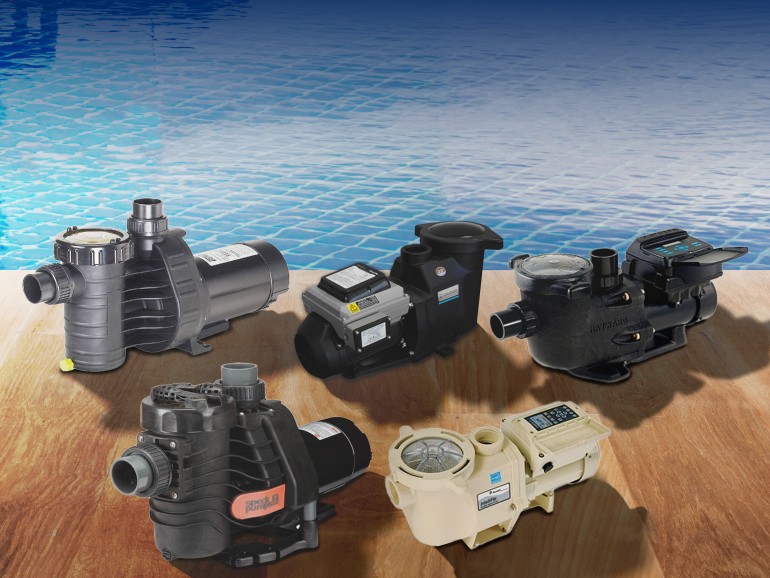
  • 5 Signs Your Pool Pump Needs Repair or Replacement

    5 Signs Your Pool Pump Needs Repair or Replacement

    Your pool pump is the heart of your pool’s circulation system. When it starts failing, water quality drops fast — and if you ignore the warning signs long enough, what could have been a simple repair turns into a full pump replacement. Here are the five signs to watch for.

    1. Loud Grinding, Screeching, or Rumbling Noises

    A healthy pool pump hums. Grinding, screeching, or rumbling sounds usually point to worn bearings inside the motor — a common failure mode in pumps that have been running for several seasons. Bearing replacement is typically straightforward and far cheaper than a full pump replacement. Don’t wait: worn bearings accelerate and can seize the motor completely.

    2. Pump Loses Prime or Won’t Prime

    If your pump struggles to hold prime (the water level in the pump basket drops or disappears) or won’t prime at startup, you likely have an air leak somewhere in the suction side of the system. Common culprits: a cracked pump lid, worn O-ring on the lid or unions, or a loose fitting at the skimmer or main drain. Air leaks starve the pump of water, reduce flow, and can burn out the motor if left uncorrected.

    3. Low Flow or Weak Jets

    If the return jets feel weak or the water barely moves, the pump isn’t circulating properly. This leads to poor filtration, chemical dead spots, and algae growth. Check the pump basket and skimmer baskets first — blockages there are the simplest fix. If baskets are clear, the issue may be a partially closed valve, a clogged impeller, or a failing motor.

    4. The Pump Runs but the Filter Pressure Doesn’t Build

    Normal filter pressure for most residential pools is 8–15 PSI depending on the system. If the pump is running but pressure is unusually low (under 5 PSI), the impeller is likely clogged with debris. Hair, leaves, and small debris can bypass the basket and jam the impeller — restricting flow and putting strain on the motor. This is a common repair our technicians handle during service visits.

    5. Visible Leaks Around the Pump

    Water pooling around the pump housing or dripping from the shaft seal is never normal. A leaking shaft seal is a common wear item that should be replaced promptly — water leaking into the motor housing will cause a short and destroy the motor. Union leaks (at the connections to your plumbing) are simpler and usually just need a new O-ring.

    When to Repair vs. Replace Your Pool Pump

    As a general rule: if a pump is under 5–7 years old, repair is usually the right call. If it’s older and experiencing multiple issues simultaneously, replacement often makes more financial sense — especially with today’s energy-efficient variable-speed pumps, which can cut pump energy costs by 50–75% compared to single-speed models.

    Pool Pump Repair in Fairfield County and Westchester

    Perfect Pools CT diagnoses and repairs pool pumps throughout Fairfield County, CT and Westchester County, NY. Our technicians carry common parts and can often complete repairs in a single visit. Call (203) 424-1258 to schedule a pump inspection — don’t let a small problem become a full replacement.

  • Call Now: (203) 424-1258