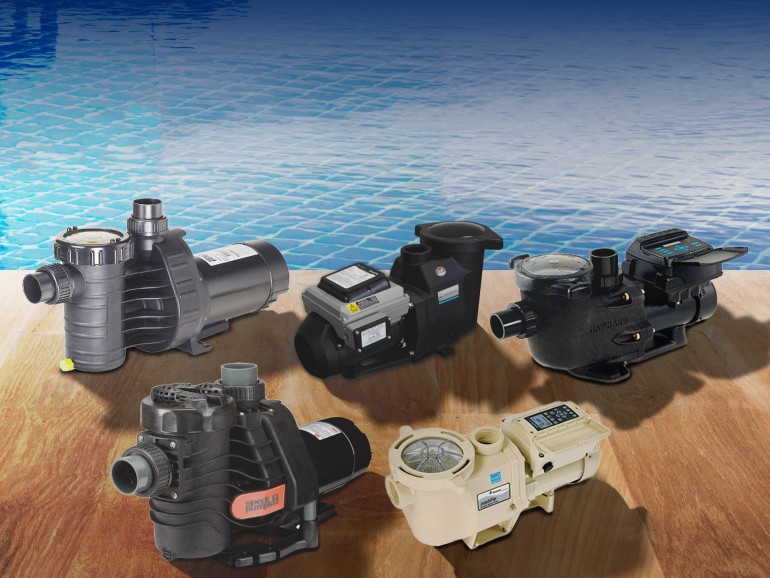
Your pump is the heart of your pool. When it starts to fail, the signs are usually clear, and acting early can be the difference between a $150 repair and an emergency replacement in July. These are the signs to watch.
1. Loud, Grinding, or Screaming Noise
A high-pitched whine or grinding usually means worn bearings. Bearings can often be replaced if caught early; left alone, they take the motor with them. A rattle can also mean debris in the impeller.
2. Leaking Water at the Pump
A drip at the shaft seal, lid O-ring, or housing is a warning. A failed shaft seal lets water into the motor. Replacing a seal is a small repair; a flooded motor is not.
3. Loss of Prime or Weak Flow
Air in the line, a clogged impeller, or a suction leak are the common causes. See pool pump not priming for a troubleshooting order.
4. Tripping Breakers or Overheating
A pump that trips its breaker or is too hot to touch has an electrical or mechanical problem: failed capacitor, seized bearings, or a winding failure. Do not keep resetting it.
5. High Electric Bills and Age
Single-speed pumps are old technology. If yours is more than 8 to 10 years old, a variable-speed pump can cut pump electricity use by more than half. See how long to run a pool pump.
Repair or Replace?
| Situation | Usually |
|---|---|
| Seal, O-ring, capacitor, basket | Repair |
| Bearings on a pump under 8 years old | Repair |
| Motor failure on an older single-speed pump | Replace, often with variable speed |
| Cracked housing or volute | Replace |
| Energy cost is high and pump is 10+ years old | Replace for savings |
A Connecticut winter is hard on exposed pumps, so a pre-season check is smart; our pool equipment repair covers pumps, filters, heaters and automation. For what to expect from each filter type, see sand vs cartridge vs DE filters.
How Long Pumps Last
A well-maintained single-speed pump often lasts 8 to 12 years, though the shaft seal and bearings may need service along the way. Variable-speed pumps often last as long or longer because they run slower. Dry-running, clogged baskets, and heat all shorten life.
What a Pre-Season Check Includes
- Run the pump for 15 to 20 minutes and listen for bearing noise.
- Check the lid, O-ring, and housing for cracks or leaks.
- Inspect the pump basket and strainer.
- Check pressure at the filter and compare to the baseline.
- Look for corrosion at wiring and the capacitor housing.
- Confirm the motor shaft turns freely with the power off.
Common Parts and Costs
| Part | Typical failure sign | Usually |
|---|---|---|
| Lid O-ring | Air in the basket, loss of prime | Cheap, replace yearly |
| Shaft seal | Drip at the motor seam | Moderate repair |
| Bearings | Grinding or screeching | Moderate repair, if caught early |
| Capacitor | Humming, will not start | Inexpensive repair |
| Motor | Burnt smell, tripped breaker | Replace; consider variable speed |
Frequently Asked Questions
Is a humming pump that does not start dangerous?
It can overheat. Turn it off and have it checked; often it is a capacitor or a seized impeller.
Can I replace a pump motor only?
Often yes, if the wet end (housing, impeller, diffuser) is in good shape. For an old pump, replacing the whole unit may be better value.
What size pump do I need?
It depends on pool volume, plumbing size, and features. A technician can size it using flow and head loss; too big wastes energy and may be hard on the filter.
Related Pool Care Guides
Need a Hand? Talk to Perfect Pools CT
Perfect Pools CT is a family-run, licensed and insured pool and hot tub service company serving Fairfield County and Westchester County. Call (203) 424-1258 or email [email protected] for a free quote, or see our pool and hot tub services, Fairfield County pool service and Westchester County pool service pages for what we cover in your town.